
The Connection Between Poor Circulation and Non-Healing Wounds in Los Angeles
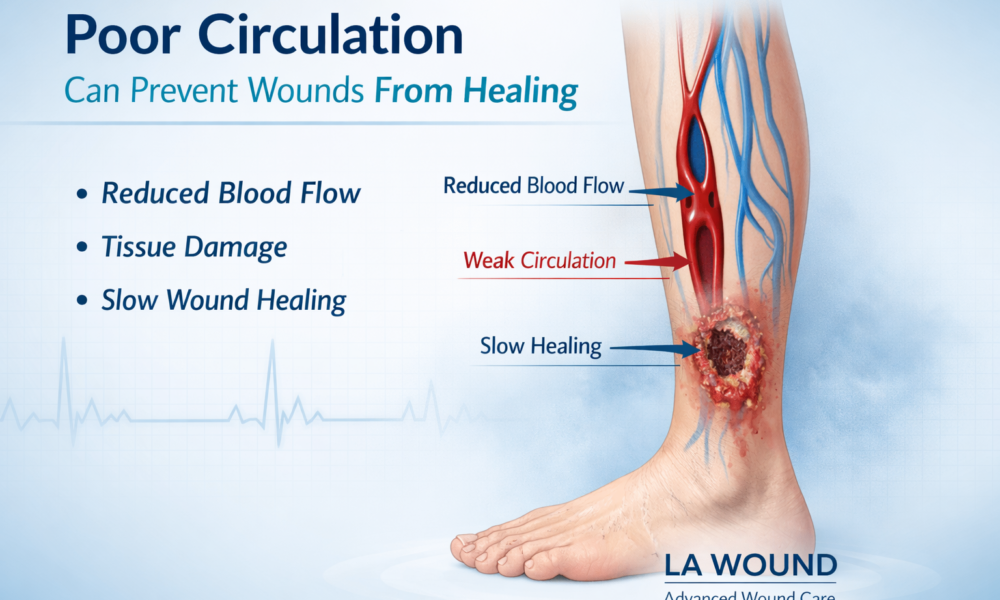
Non-healing wounds are a growing medical concern throughout Los Angeles, affecting patients of all ages and backgrounds. While many people focus on surface-level wound care — such as dressings, ointments, or home remedies — the true cause of delayed healing is often hidden beneath the skin. One of the most common and overlooked contributors to chronic wounds is poor circulation.
At LA Wound, we frequently see patients who have been treating a wound for weeks or even months with little progress. In many cases, the wound itself is not the primary problem. Instead, insufficient blood flow prevents the body from delivering the oxygen and nutrients needed for proper healing. Understanding the connection between circulation and wound healing is essential for preventing complications and achieving lasting recovery.
What Is Poor Circulation?
Circulation refers to the movement of blood through the arteries, veins, and capillaries. Healthy circulation ensures that oxygen-rich blood reaches tissues while waste products are efficiently removed. When circulation is impaired, tissues become deprived of oxygen and nutrients, slowing the body’s natural repair process.
There are two primary types of circulatory issues that impact wound healing:
- – Arterial circulation problems: limit blood flow from the heart to the limbs
- – Venous circulation problems: prevent blood from efficiently returning to the heart
Both conditions are common among patients in Los Angeles, particularly those with diabetes, vascular disease, or sedentary lifestyles.
Why Circulation Is Essential for Wound Healing
Wound healing is a complex biological process that relies heavily on healthy blood flow. Circulation supports healing by:
- – Delivering oxygen to damaged tissues
- – Transporting nutrients required for cell regeneration
- – Supporting immune responses to fight infection
- – Removing waste products and dead tissue
- – Stimulating the formation of new blood vessels
When circulation is compromised, these processes slow dramatically. As a result, wounds may stall, worsen, or reopen after partial healing.
How Poor Circulation Leads to Non-Healing Wounds
Poor circulation disrupts each phase of wound healing. Reduced blood flow means less oxygen reaches the wound, making it difficult for cells to regenerate. At the same time, the immune system struggles to fight bacteria, increasing the risk of infection.
Without adequate circulation:
- – Tissue becomes weak and fragile
- – Wounds take longer to close
- – Inflammation persists
- – Dead tissue accumulates
- – Healing may stop entirely
This is why some wounds appear unchanged for weeks despite consistent care.
Types of Wounds Commonly Linked to Circulatory Problems
Venous Leg Ulcers
Venous ulcers occur when blood pools in the lower legs due to damaged veins. These wounds often develop near the ankles and are slow to heal without compression and circulation support.
Arterial Ulcers
Arterial ulcers result from blocked or narrowed arteries. They typically appear on the feet or toes and may be painful, pale, or cold to the touch.
Diabetic Foot Ulcers
Diabetes damages both blood vessels and nerves, making foot wounds especially dangerous. Poor circulation combined with reduced sensation increases the risk of infection and amputation.
Post-Surgical Wounds
Patients with vascular disease may experience delayed healing after surgery, particularly in the lower extremities.
Pressure Injuries
Reduced blood flow combined with prolonged pressure can cause tissue breakdown, especially in patients with limited mobility.
Warning Signs That Poor Circulation Is Affecting a Wound
Patients should seek specialized wound care if they notice:
- – A wound that has not improved in two to four weeks
- – Darkened or discolored skin around the wound
- – Cold feet or toes
- – Swelling in the lower legs or ankles
- – Pain while walking or at rest
- – Recurrent wounds in the same area
These symptoms often indicate an underlying circulatory problem that requires medical evaluation.
Why Treating the Wound Alone Isn’t Enough
One of the most common reasons wounds fail to heal is that treatment focuses only on the surface injury. While dressings and topical treatments are important, they cannot correct poor blood flow.
Without addressing circulation:
- – Wounds may temporarily improve but reopen
- – Infection risk remains high
- – Healing time increases significantly
- – Long-term complications become more likely
Effective wound care requires identifying and treating the root cause — not just managing symptoms.
How LA Wound Treats Circulation-Related Wounds
At LA Wound, we take a comprehensive approach to wound healing. Every patient receives an individualized treatment plan designed to address both the wound and the factors preventing healing.
Comprehensive Wound Assessment
We evaluate wound size, depth, drainage, tissue quality, and signs of infection while assessing circulation and medical history.
Advanced Wound Therapies
Treatment may include:
- – Specialized wound dressings
- – Debridement to remove non-viable tissue
- – Infection control strategies
- – Pressure offloading
Circulation Evaluation and Collaboration
When circulation issues are identified, collaboration with vascular specialists allows us to address blood flow concerns alongside wound treatment.
Compression and Supportive Therapies
For venous-related wounds, compression therapy improves blood return and reduces swelling, accelerating healing.
Who Is Most at Risk in Los Angeles?
Several populations in Los Angeles are at increased risk for circulation-related wounds, including:
- – Patients with diabetes
- – Older adults
- – Smokers
- – Individuals with sedentary jobs or long commutes
- – Those with a history of vein disease or vascular conditions
Early intervention is especially important for these high-risk groups.
When to Seek Specialized Wound Care
You should seek professional wound care if:
- – A wound has not healed within two weeks
- – Pain, redness, or drainage is increasing
- – The wound has an odor or signs of infection
- – You have diabetes or vascular disease
- – The wound interferes with daily activities
Timely treatment can prevent serious complications such as infection, hospitalization, or limb loss.
Why Choose LA Wound in Los Angeles
LA Wound is dedicated to providing advanced, compassionate wound care tailored to each patient’s needs. Our approach focuses on healing the wound while addressing the underlying causes that prevent recovery.
Patients choose LA Wound for:
- – Experienced wound care specialists
- – Evidence-based treatment protocols
- – Integrated circulation-focused care
- – Convenient Los Angeles access
- – Personalized healing plans
Conclusion
Non-healing wounds are often a sign of deeper circulatory problems that cannot be ignored. Understanding the role of blood flow in wound healing is the first step toward effective treatment and long-term recovery.
At LA Wound, we believe healing starts from within — by restoring circulation, protecting tissue, and supporting the body’s natural repair process. If you or a loved one is struggling with a wound that won’t heal, expert care can make all the difference.
Related Blogs
- August 26, 2024
Arterial Foot Ulcers: A Warning Sign.
If you have a painful sore on your foot that won’t heal, especially near your toes or heels, it could.
Read More
- August 26, 2024
Understanding and Managing Chronic Wounds Effectively
Understanding Chronic Wounds Chronic wounds are a significant health concern that affects millions of individuals worldwide. These wounds do not.
Read More