


Pressure Ulcers: Causes, Prevention, and Treatment Options
Pressure Ulcers: Causes, Prevention, and Treatment Options
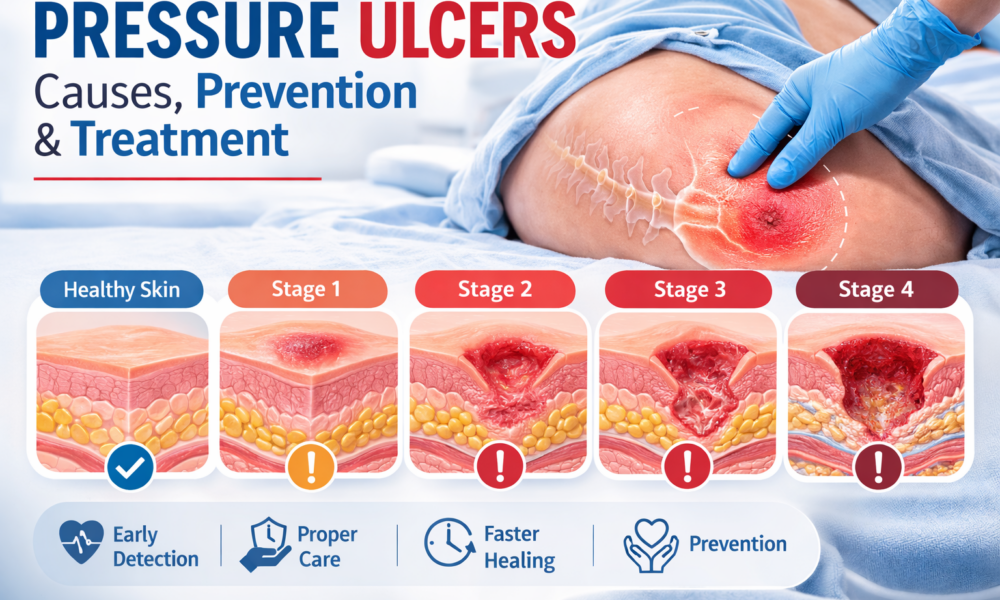
Pressure ulcers, also known as bedsores, are a common medical condition that occurs when prolonged pressure on the skin restricts blood flow to certain areas of the body. These wounds typically develop in patients who spend long periods in bed or sitting in a wheelchair.
While pressure ulcers may start as mild skin irritation, they can quickly progress into serious wounds if left untreated. Early detection and proper care are essential for preventing complications.
At LA Wound Care, specialists provide advanced treatments designed to manage pressure ulcers and promote faster healing. Understanding the causes, symptoms, and prevention strategies can help patients and caregivers reduce the risk of these painful wounds.
What Are Pressure Ulcers?
Pressure ulcers are injuries to the skin and underlying tissue caused by prolonged pressure. When continuous pressure is applied to the skin, it can reduce blood flow to that area. Without sufficient blood supply, tissue may begin to break down and form a wound.
These ulcers most commonly develop in areas where bones are close to the skin, including:
- Heels
- Ankles
- Hips
- Tailbone
- Shoulder blades
- Elbows
Patients with limited mobility are particularly vulnerable because they may not be able to reposition themselves frequently enough to relieve pressure.
Stages of Pressure Ulcers
Pressure ulcers are classified into stages depending on the severity of the tissue damage.
Stage 1
The skin remains intact but appears red or discolored. The affected area may feel warm, tender, or firm compared to surrounding skin.
Stage 2
The outer layer of skin begins to break down, forming a shallow open sore or blister.
Stage 3
The ulcer extends deeper into the skin and may reach the fatty tissue beneath the surface.
Stage 4
This is the most severe stage. The wound extends into muscle, tendons, or bone and requires immediate medical attention.
Early treatment can prevent the wound from progressing into the more serious stages.
Common Causes of Pressure Ulcers
Several factors can contribute to the development of pressure ulcers.
Prolonged Pressure
Remaining in the same position for extended periods is the most common cause. Pressure on the skin compresses blood vessels and reduces circulation.
Limited Mobility
Individuals who are unable to move independently are at higher risk of developing pressure ulcers.
Poor Circulation
Reduced blood flow can make it more difficult for the body to repair damaged tissue.
Moisture and Skin Irritation
Excess moisture from sweat, urine, or wound drainage can weaken the skin and make it more susceptible to injury.
Poor Nutrition
The body requires nutrients such as protein, vitamins, and minerals to maintain healthy skin and support wound healing.
Symptoms of Pressure Ulcers
Recognizing the early signs of pressure ulcers can help prevent more serious complications.
Some common symptoms include:
- Red or discolored skin that does not fade when pressed
- Swelling or tenderness in a specific area
- Blisters or open sores
- Warm or firm skin around pressure points
- Drainage from the wound
If these symptoms are noticed, medical evaluation may be necessary to prevent the wound from worsening.
How Pressure Ulcers Are Treated
Treatment for pressure ulcers depends on the severity of the wound and the patient’s overall health.
Relieving Pressure
The first step in treatment is reducing pressure on the affected area. This may involve repositioning the patient frequently or using specialized cushions or mattresses.
Wound Cleaning and Dressing
Proper wound care is essential for preventing infection and promoting healing. Healthcare providers may clean the wound and apply specialized dressings to protect the area.
Debridement
In some cases, dead or damaged tissue must be removed through a procedure known as debridement. This helps healthy tissue grow and improves healing.
Infection Control
If infection develops, doctors may prescribe antibiotics or antimicrobial treatments.
Advanced Wound Therapies
Modern wound care centers often use advanced treatments such as:
- Negative pressure wound therapy
- Specialized wound dressings
- Tissue regeneration therapies
These treatments can help stimulate healing in complex wounds.
Preventing Pressure Ulcers
Preventing pressure ulcers is often easier than treating them. Caregivers and patients can reduce risk by following several preventive strategies.
Some important prevention tips include:
- Repositioning frequently to relieve pressure
- Using pressure-relieving cushions or mattresses
- Keeping skin clean and dry
- Maintaining proper nutrition and hydration
- Inspecting the skin regularly for early signs of damage
These steps can significantly lower the risk of developing pressure ulcers.
When to Seek Professional Wound Care
Pressure ulcers can become serious if they are not treated properly. Patients should seek medical care if a wound shows signs of infection or does not improve after several days.
Warning signs that require professional evaluation include:
- Increasing redness or swelling
- Drainage or odor from the wound
- Fever or chills
- Worsening pain
- Skin discoloration around the wound
Early treatment can prevent complications and improve healing outcomes.
Advanced Pressure Ulcer Treatment in Los Angeles
At LA Wound Care, patients receive specialized care for chronic wounds including pressure ulcers. The clinic focuses on identifying the underlying causes of non-healing wounds and providing advanced treatment options tailored to each patient.
By combining modern wound care technology with personalized treatment plans, patients can receive the support they need to heal safely and effectively.
If you or a loved one is experiencing symptoms of a pressure ulcer, early evaluation and treatment can make a significant difference in recovery.