


Diabetic Wounds: Why They Heal Slowly and How Advanced Care Helps
Diabetic Wounds: Why They Heal Slowly and How Advanced Care Helps
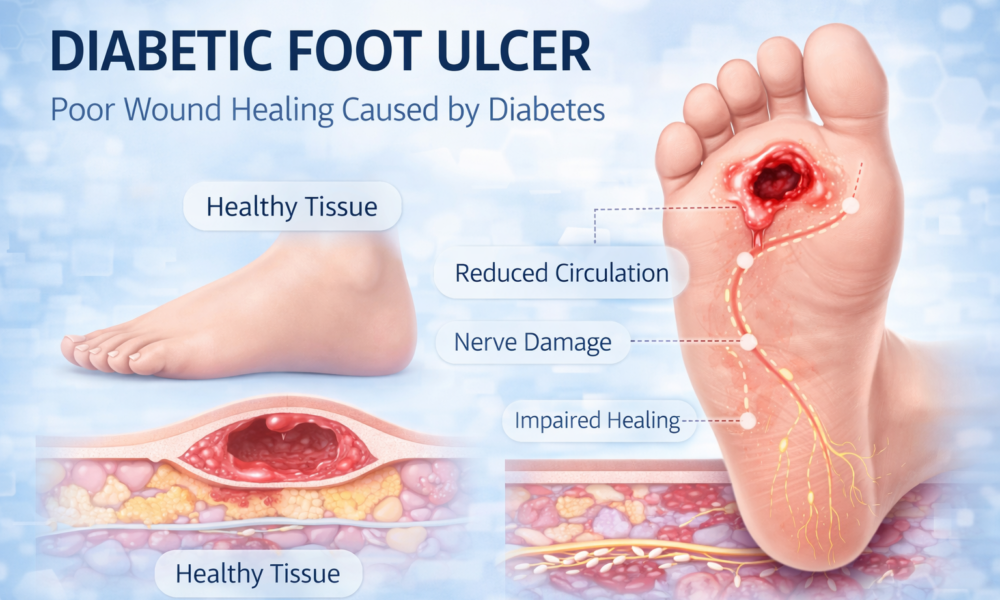
Diabetes affects millions of people and can lead to a wide range of health complications, including problems with wound healing. One of the most serious concerns for diabetic patients is the development of chronic wounds, particularly on the feet.
Diabetic wounds often take longer to heal and may become severe if not treated properly. Understanding why these wounds develop and how advanced wound care can help is essential for preventing complications.
At LA Wound Care, specialized treatments are available to help manage diabetic wounds and support faster healing through advanced medical techniques.
Why Diabetes Affects Wound Healing
Wound healing is a complex process that relies on proper blood flow, immune response, and tissue repair. Diabetes can interfere with all of these processes, making it more difficult for the body to heal.
Poor Circulation
High blood sugar levels can damage blood vessels over time, reducing circulation. When blood flow is limited, oxygen and nutrients cannot reach the wound effectively, slowing down healing.
Nerve Damage (Neuropathy)
Diabetes can cause nerve damage, especially in the feet. This condition, known as neuropathy, reduces sensation, making it difficult for patients to feel injuries.
As a result, small cuts or blisters may go unnoticed and develop into larger wounds.
Weakened Immune System
Diabetes can weaken the immune system, making it harder for the body to fight infection. This increases the risk of wounds becoming infected and delaying healing.
Common Types of Diabetic Wounds
Diabetic patients are at higher risk for certain types of wounds, particularly in the lower extremities.
Diabetic Foot Ulcers
These are open sores that develop on the feet, often due to pressure, friction, or injury. They are one of the most common and serious complications of diabetes.
Calluses and Blisters
Repeated pressure on certain areas of the foot can lead to calluses or blisters, which may break down and form open wounds.
Surgical Wounds
Diabetic patients may also experience delayed healing after surgical procedures.
Signs of a Diabetic Wound
Early detection is critical for preventing complications. Patients and caregivers should watch for signs such as:
- Redness or swelling around the wound
- Drainage or pus
- Foul odor
- Skin discoloration
- Pain or tenderness (if sensation is still present)
- Wounds that do not improve over time
Any wound that does not begin to heal within a few days should be evaluated by a medical professional.
Risks of Untreated Diabetic Wounds
If diabetic wounds are not treated promptly, they can lead to serious complications.
Infection
Bacteria can easily enter open wounds and cause infection. In severe cases, infections can spread to deeper tissues or the bloodstream.
Tissue Damage
Poor circulation may cause tissue to die, a condition known as necrosis. This can make the wound more difficult to treat.
Amputation
In advanced cases, untreated diabetic wounds may lead to amputation if the infection or tissue damage becomes severe.
Because of these risks, early intervention is essential.
Advanced Treatments for Diabetic Wounds
At LA Wound Care, advanced treatment options are used to help diabetic wounds heal more effectively.
Debridement
Removing dead or infected tissue helps promote the growth of healthy tissue and reduces the risk of infection.
Advanced Wound Dressings
Specialized dressings help maintain a moist environment that supports healing while protecting the wound from bacteria.
Offloading
Reducing pressure on the affected area is critical, especially for foot ulcers. This may involve special footwear or devices designed to relieve pressure.
Infection Control
Antibiotics or antimicrobial treatments may be used to control infection and support healing.
Negative Pressure Wound Therapy
This treatment uses controlled suction to remove excess fluid and improve blood flow to the wound.
Preventing Diabetic Wounds
Preventing wounds is one of the most important aspects of diabetic care.
Some key prevention tips include:
- Checking feet daily for cuts or blisters
- Wearing properly fitted shoes
- Keeping feet clean and dry
- Managing blood sugar levels
- Avoiding walking barefoot
- Scheduling regular medical checkups
These steps can help reduce the risk of developing serious wounds.
When to Seek Professional Wound Care
Patients with diabetes should never ignore even minor wounds. Early treatment can prevent complications and improve healing outcomes.
You should seek medical care if:
- A wound does not heal within a few days
- There are signs of infection
- The wound becomes larger or deeper
- There is persistent swelling or redness
A wound care specialist can evaluate the condition and recommend the most effective treatment plan.
Advanced Diabetic Wound Care in Los Angeles
At LA Wound Care, patients receive specialized treatment for diabetic wounds and other chronic conditions. The clinic focuses on identifying the underlying causes of slow healing and using advanced therapies to support recovery.
With proper care and early intervention, many diabetic wounds can be successfully treated, reducing the risk of complications and improving overall quality of life.
If you or a loved one is dealing with a non-healing diabetic wound, seeking professional care can make a significant difference in recovery.