


Diabetic Foot Ulcer Healing Time: 5 Critical Factors That Slow Recovery
Diabetic Foot Ulcer Healing Time: 5 Critical Factors That Slow Recovery
What Is Diabetic Foot Ulcer Healing Time?
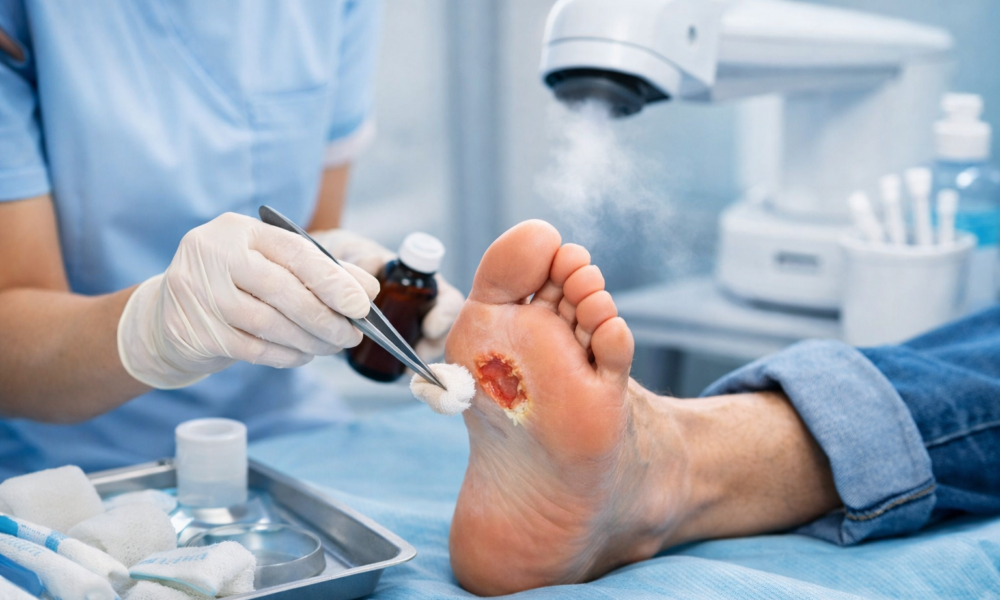
Diabetic foot ulcer healing time refers to how long it takes for a wound on the foot to fully close and recover in patients with diabetes. Because diabetes affects circulation and nerve function, healing is often slower compared to normal wounds.
In fact, many patients underestimate how serious these wounds can become. Therefore, understanding the healing timeline is essential for preventing complications and ensuring proper care.
How Long Does Healing Usually Take?
The diabetic foot ulcer healing time varies depending on the severity of the wound and the patient’s overall health. On average:
- Mild ulcers may heal within 2 to 4 weeks
- Moderate ulcers can take 4 to 12 weeks
- Severe or non healing diabetic wounds may take several months
However, healing is not always linear. Some wounds may appear to improve but then stall due to underlying issues such as poor blood flow.
According to the National Institute of Diabetes and Digestive and Kidney Diseases, proper management significantly improves healing outcomes.
5 Critical Factors That Slow Diabetic Foot Ulcer Healing Time
1. Poor Blood Circulation
One of the biggest factors affecting diabetic foot ulcer healing time is reduced blood flow. Without proper circulation, oxygen and nutrients cannot reach the wound.
Conditions like peripheral artery disease (PAD) often contribute to this issue.
👉 Learn more: Peripheral Arterial Disease (PAD) Treatment
2. Infection
Infections can dramatically delay healing. Even a small infection can spread quickly in diabetic patients, leading to more serious complications.
Therefore, early detection and treatment are crucial.
3. Uncontrolled Blood Sugar Levels
High blood sugar levels impair the body’s natural healing process. As a result, wounds take longer to close and are more prone to infection.
Maintaining stable glucose levels is essential for faster recovery.
4. Pressure on the Wound
Continuous pressure on the foot prevents healing. Walking or standing without proper support can worsen the wound.
Offloading techniques, such as specialized footwear, are often recommended in advanced wound care treatments.
5. Delayed Professional Treatment
Waiting too long to seek care is one of the most common reasons for prolonged diabetic foot ulcer healing time.
A diabetic foot ulcer treatment Los Angeles specialist can provide early intervention, which significantly improves outcomes.
When Healing Takes Too Long
If your wound is not improving within a few weeks, it may indicate a deeper issue. Warning signs include:
- Increasing pain or redness
- Swelling or drainage
- No visible healing progress
At this stage, professional evaluation is necessary. Delayed healing increases the risk of serious complications.
How to Speed Up Diabetic Foot Ulcer Healing Time
Improving diabetic foot ulcer healing time requires a combination of medical care and lifestyle adjustments.
Here are key steps:
- Seek early treatment from a specialist
- Follow proper wound care routines
- Use advanced therapies like Ultramist
- Manage blood sugar levels carefully
- Reduce pressure on the affected foot
In addition, working with a wound care clinic ensures access to advanced wound care treatments tailored to your condition.