


Diabetic Foot Ulcer Treatment: 7 Proven Steps for Faster Healing
Diabetic Foot Ulcer Treatment: 7 Proven Steps for Faster Healing
What Is a Diabetic Foot Ulcer?
A diabetic foot ulcer is an open sore or wound that typically develops on the bottom of the foot in individuals with diabetes. Poor circulation and nerve damage (neuropathy) make healing slower and increase the risk of infection.
Without proper diabetic foot ulcer treatment, even a small wound can become a serious medical condition requiring advanced care.
Why Early Treatment Matters
Early intervention is critical. Delaying diabetic foot ulcer treatment can lead to:
- Infection
- Tissue damage
- Hospitalization
- Amputation in severe cases
According to the Centers for Disease Control and Prevention (CDC), proper wound care significantly reduces complications and improves healing outcomes.
7 Proven Steps for Diabetic Foot Ulcer Treatment
1. Regular Wound Cleaning
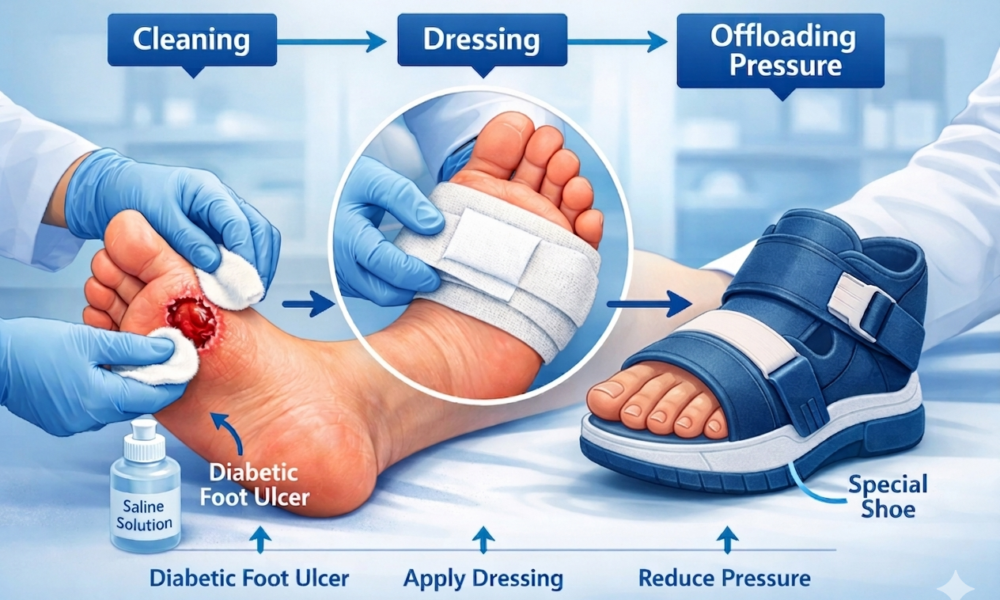
Cleaning the ulcer daily helps prevent infection. Use saline solution or doctor-recommended cleansers to keep the wound free from debris.
2. Debridement (Removing Dead Tissue)
A healthcare professional may remove dead or infected tissue to promote healing. This step is essential in effective diabetic foot ulcer treatment.
3. Offloading Pressure
Reducing pressure on the affected foot is crucial. Special footwear, casts, or braces help prevent further damage and allow healing.
4. Infection Control
Topical or oral antibiotics may be prescribed if infection is present. Monitoring for redness, swelling, or discharge is vital.
5. Moist Wound Environment
Keeping the wound properly dressed maintains moisture, which accelerates healing and protects from bacteria.
6. Blood Sugar Management
Stable glucose levels significantly improve healing speed. Poor control can delay even the best diabetic foot ulcer treatment plan.
7. Advanced Therapies
Modern treatments include:
- Negative pressure wound therapy
- Skin grafts or bioengineered tissue
- Hyperbaric oxygen therapy
These are often used for chronic or non-healing ulcers.
Warning Signs You Should Never Ignore
Seek immediate care if you notice:
- Increasing pain or swelling
- Foul odor from the wound
- Black or discolored tissue
- Fever or chills
These may indicate serious infection requiring urgent diabetic foot ulcer treatment.
Advanced Treatment Options
Specialized wound care clinics like LA Wound Care offer advanced solutions tailored to each patient.
These may include vascular assessments to improve blood flow. For related vascular concerns, visit:
👉 https://lavascularspecialists.com
Prevention Tips for Long-Term Foot Health
Preventing ulcers is just as important as treating them:
- Inspect your feet daily
- Wear properly fitted shoes
- Keep feet clean and moisturized
- Avoid walking barefoot
- Schedule regular foot exams
Consistent prevention reduces the need for future diabetic foot ulcer treatment.
When to See a Wound Care Specialist
If your wound:
- Doesn’t improve within a few days
- Gets worse over time
- Shows signs of infection
It’s time to consult a specialist. Early expert intervention leads to better outcomes and faster healing.