


9 Critical Venous Leg Ulcers Causes You Should Never Ignore
9 Critical Venous Leg Ulcers Causes You Should Never Ignore
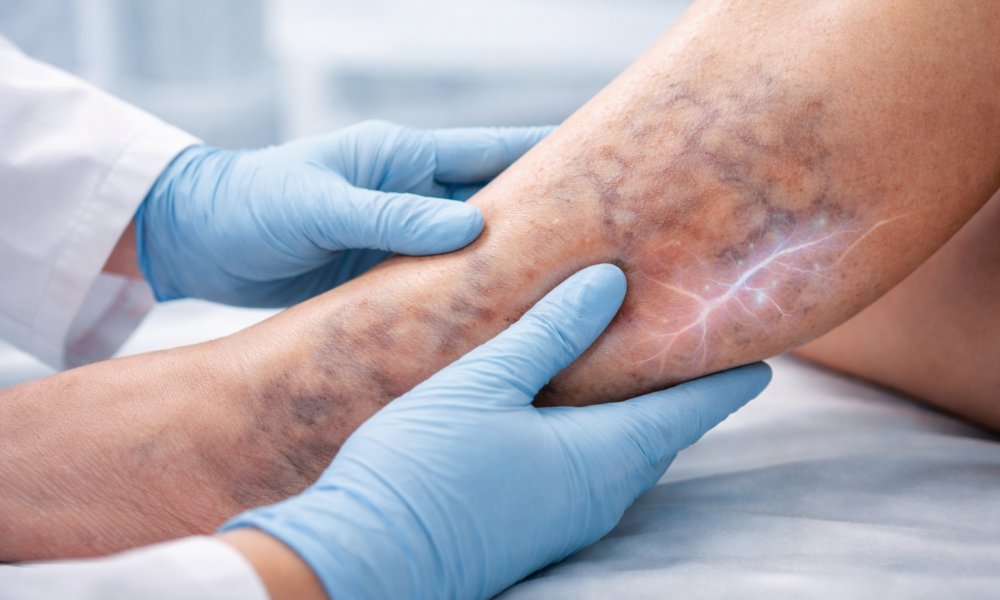
What Are Venous Leg Ulcers?
Venous leg ulcers are chronic wounds that typically develop on the lower legs due to poor blood circulation in the veins. These wounds can be slow to heal and often recur without proper treatment.
If you’re researching venous leg ulcers causes, understanding the root problem—venous insufficiency—is essential.
9 Critical Venous Leg Ulcers Causes
Understanding the main venous leg ulcers causes can help prevent complications and guide proper treatment.
1. Chronic Venous Insufficiency (CVI)
The leading cause of venous leg ulcers is chronic venous insufficiency, where vein valves fail to function properly, causing blood to pool in the legs.
2. Damaged Vein Valves
When valves weaken or become damaged, blood flows backward instead of returning to the heart, increasing pressure in the veins.
3. Blood Pooling (Venous Hypertension)
Increased pressure in the veins leads to fluid leakage into surrounding tissues, eventually breaking down the skin.
4. Previous Leg Injuries
Past trauma or fractures can damage veins and increase the risk of developing ulcers later.
5. Deep Vein Thrombosis (DVT)
A history of blood clots can permanently damage veins, contributing to long-term circulation issues.
6. Obesity
Excess weight puts additional pressure on leg veins, worsening circulation problems.
7. Prolonged Standing or Sitting
Jobs or lifestyles that involve long periods of inactivity reduce proper blood flow in the legs.
8. Aging
As you age, veins lose elasticity and efficiency, increasing the likelihood of venous ulcers.
9. Lack of Physical Activity
Poor movement limits the muscle pump function needed to push blood back toward the heart.
Risk Factors That Increase Your Chances
Beyond the primary venous leg ulcers causes, several risk factors can accelerate their development:
- Varicose veins
- Smoking
- High blood pressure
- Family history of venous disease
- Pregnancy
Symptoms of Venous Leg Ulcers
Recognizing symptoms early can prevent complications:
- Shallow wounds on the lower leg or ankle
- Swelling in the legs
- Aching or heaviness
- Discolored or hardened skin
- Fluid drainage or crusting
When to See a Wound Care Specialist
Seek medical care if:
- The wound does not improve within 2 weeks
- Pain or swelling increases
- There are signs of infection
- The ulcer keeps coming back
A specialized clinic like LA Wound Care can diagnose the underlying cause and provide advanced treatment.
Treatment Options for Venous Leg Ulcers
Effective treatment focuses on improving circulation and healing the wound:
- Compression therapy (gold standard)
- Advanced wound dressings
- Debridement
- Infection control
- Lifestyle modifications
In more advanced cases, procedures may be recommended to correct vein issues.
Conclusion
Understanding venous leg ulcers causes is the first step toward prevention and effective treatment. Since these wounds are often linked to underlying circulation problems, early intervention is key.
If left untreated, venous ulcers can worsen and significantly impact quality of life—making professional wound care essential.